
How Carbon Capture Technology Is Evolving to Address Industrial Emissions
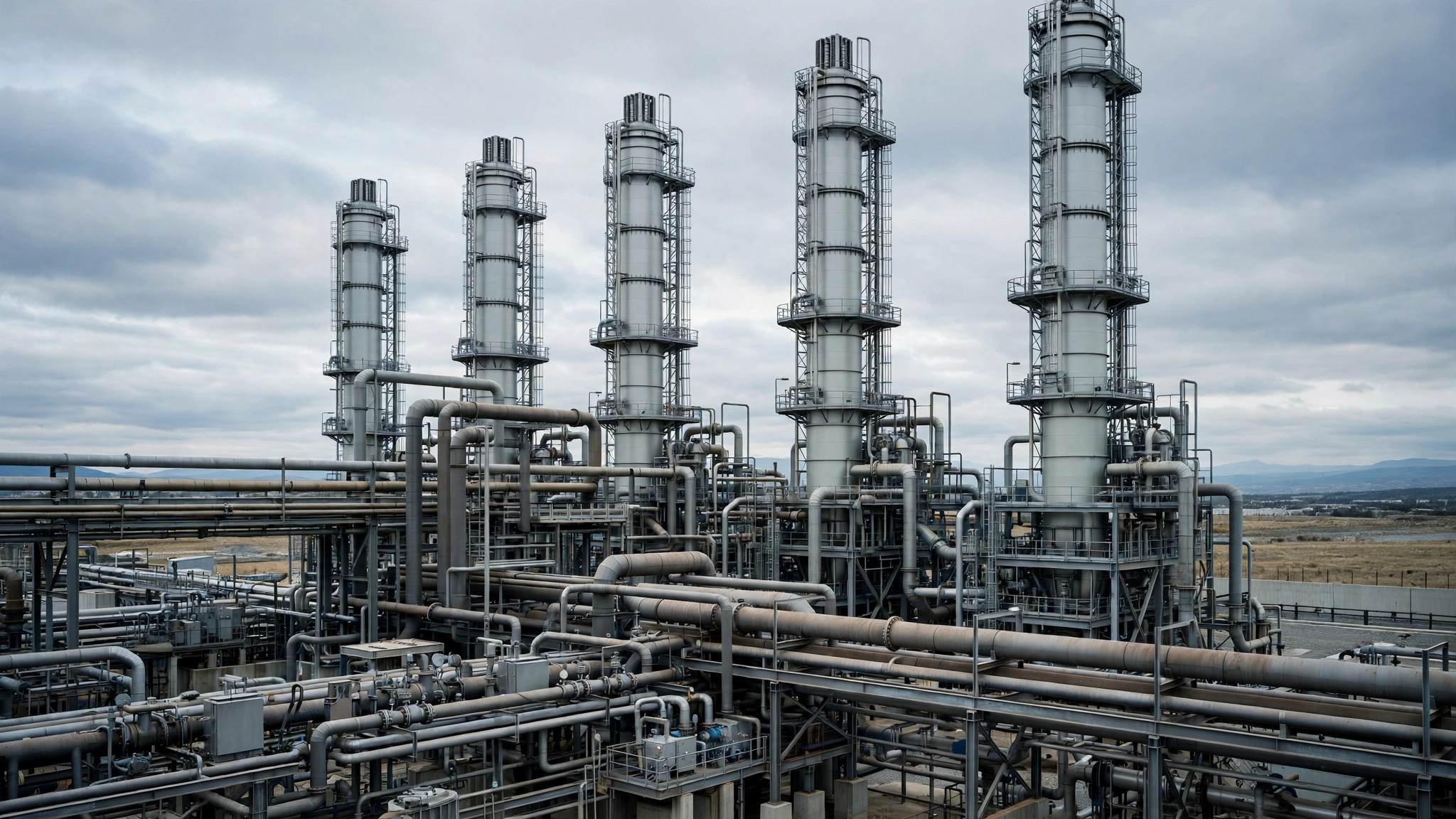
Carbon capture technology is moving from a niche idea to a working part of how heavy industry cuts its emissions. Cement plants, steel mills, refineries, and chemical factories produce large amounts of carbon dioxide, and much of it is hard to remove simply by switching to renewable power. The chemistry of making cement or steel releases CO2 no matter how clean the electricity is, so capture systems are now treated as a practical tool rather than a distant experiment.
The field has changed quickly. Early projects were small and costly. Today, capture units are being built at larger scale, shared storage hubs are taking shape, and direct air capture plants are pulling CO2 straight from the atmosphere. The United States has strengthened its 45Q tax credit, and countries in Europe and Asia are funding their own projects. This article explains how the technology works, where it is being used, and what still stands in its way.
How Carbon Capture Works
Carbon capture is a set of methods that trap carbon dioxide before it reaches the atmosphere, or remove it from the air after the fact. In most industrial settings, the process starts with the exhaust gas from a furnace, kiln, or boiler, which contains CO2 mixed with nitrogen, water vapor, and other compounds. A capture system separates the CO2 from the rest of the stream, compresses it, and sends it somewhere it can be stored or used.
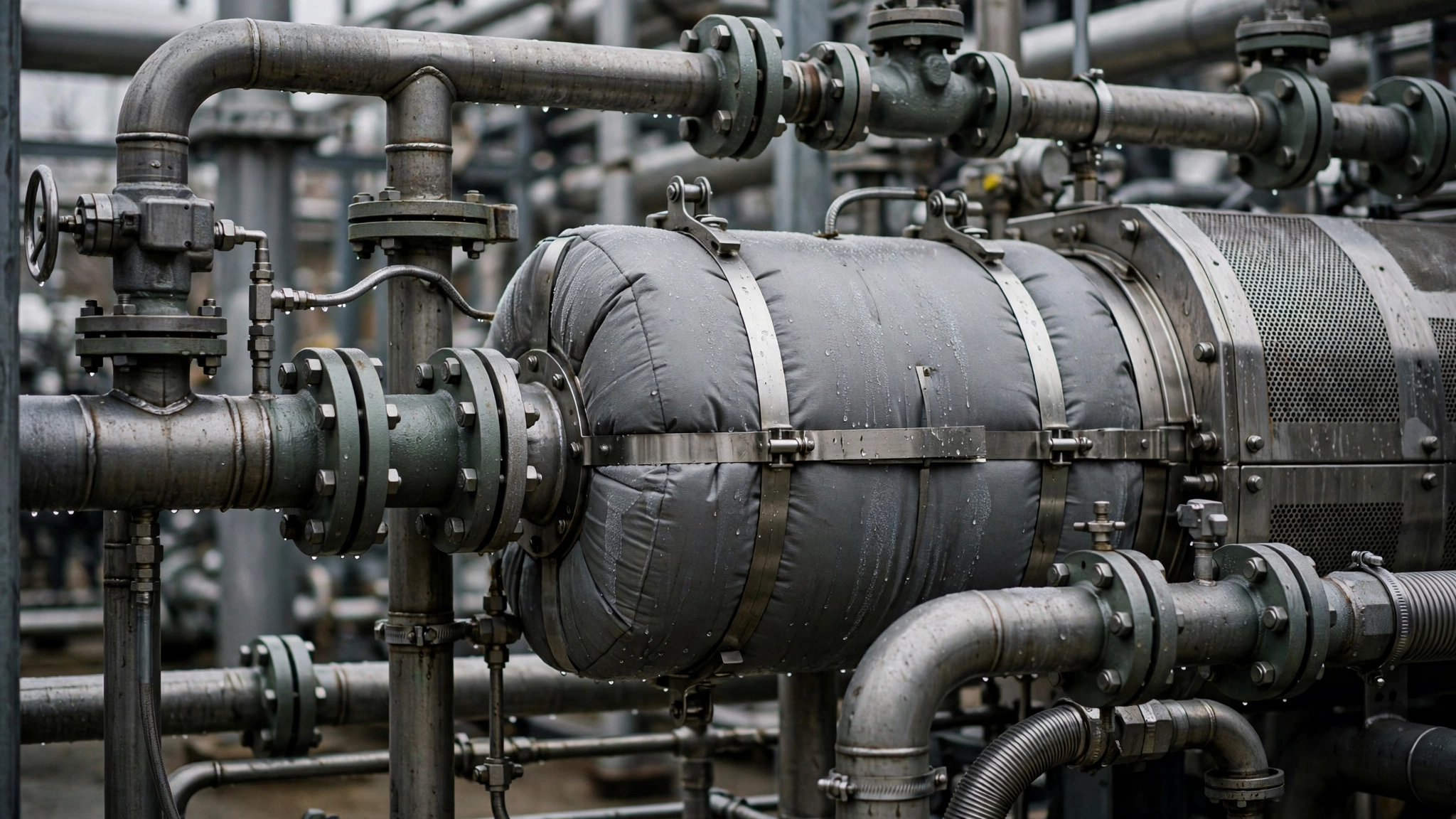
The most common method uses a liquid solvent, usually an amine-based solution. Exhaust gas passes through a tower where the solvent absorbs the CO2, and heating the solvent then releases a concentrated CO2 stream so the solvent can be reused. Other methods use solid materials that bind CO2, or membranes that let CO2 pass through while holding back other gases. Each approach trades cost, energy use, and capture rate against the others.
Once captured, the CO2 is compressed into a dense fluid and moved by pipeline, ship, or truck. It can be injected deep underground into rock formations where it stays trapped, or used to make products such as building materials, chemicals, and synthetic fuels. Storage sites are chosen for their geology and monitored so the gas stays in place. The full chain, from capture to storage, is known as carbon capture and storage, or CCS.
The Main Capture Methods Compared
Not every plant needs the same method. The right choice depends on the gas stream, the industry, and the budget.
| Method | How it works | Best suited for | Main drawback |
|---|---|---|---|
| Post-combustion capture | Removes CO2 from exhaust gas after burning | Existing power plants, cement and steel plants | High energy use to regenerate the solvent |
| Pre-combustion capture | Fuel is converted to hydrogen and CO2 before burning | Gasification plants, hydrogen production | Needs major changes to the plant |
| Oxy-fuel combustion | Fuel burns in pure oxygen, producing a concentrated CO2 stream | New power and industrial plants | Cost of producing pure oxygen |
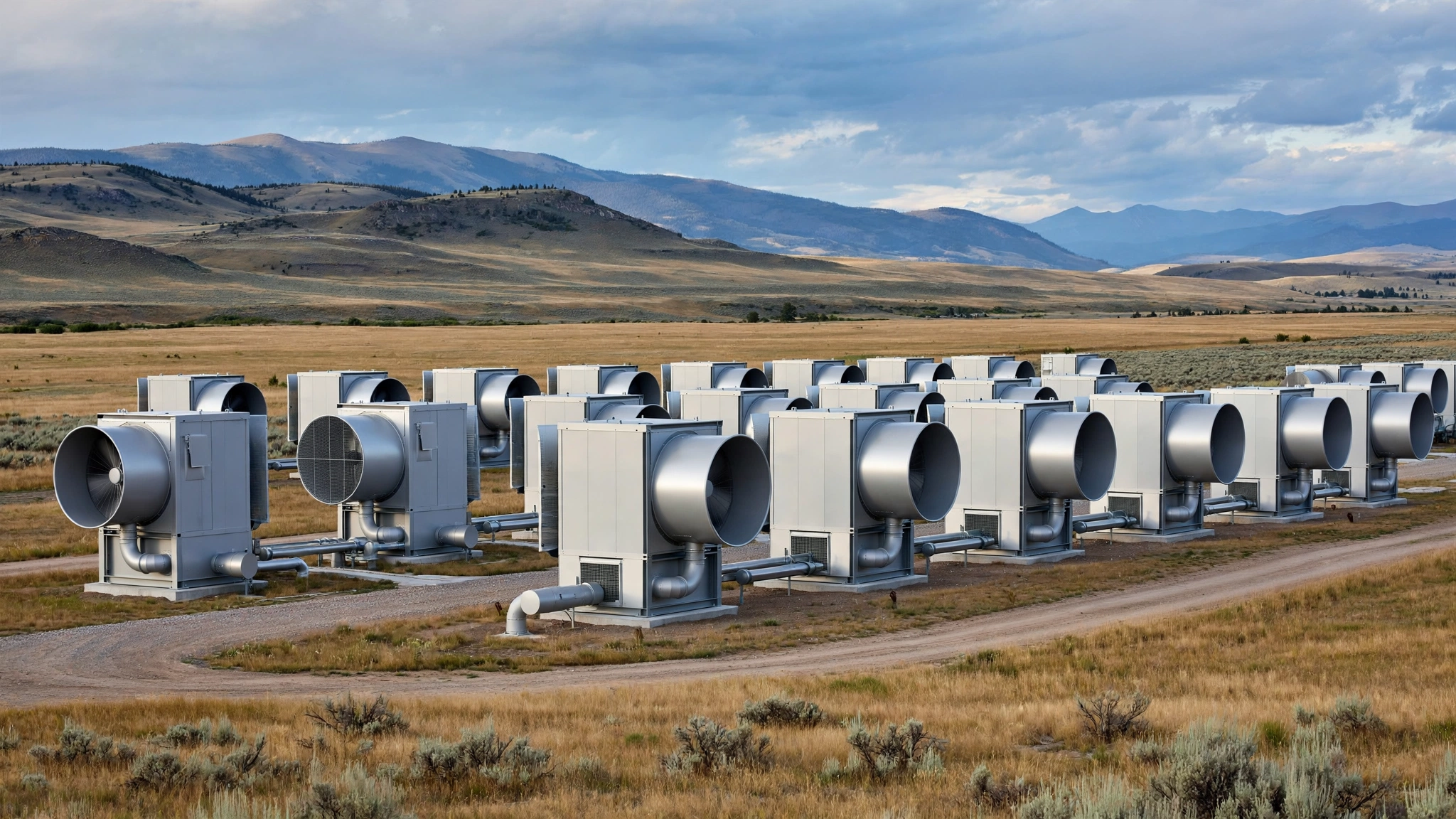
| Direct air capture | Large fans pull ambient air through filters that bind CO2 | Removing CO2 already in the atmosphere | Very high energy use and cost per tonne |
Post-combustion capture is the most widely used method today because it can be added to plants already running, while pre-combustion and oxy-fuel systems usually suit new builds. Direct air capture is different because it does not attach to a smokestack. It deals with CO2 already spread through the atmosphere, which makes it useful for offsetting emissions that are hard to reach any other way.
Carbon Capture and Storage in Practice
Large-scale CCS projects have been running for years. The Sleipner project off Norway has stored CO2 under the North Sea since the 1990s, and several projects in North America and the Middle East inject CO2 into oil fields or deep rock layers. These projects showed that long-term underground storage can work and gave engineers the data needed to design bigger systems.
The newer trend is the hub model, in which several emitters in one region share the same transport and storage network instead of each plant building its own pipeline and storage site. This spreads the cost and makes capture affordable for smaller plants that could never fund a pipeline alone. Hubs are now being developed around the US Gulf Coast, in the North Sea, and in parts of Asia, with governments helping fund the shared infrastructure and set rules for owning and monitoring the stored CO2.
Policy is a major driver. The US 45Q tax credit pays companies for each tonne of CO2 they capture and store, and recent changes raised its value and made more projects eligible. In Europe, the EU Emissions Trading System puts a price on CO2, giving industrial firms a direct reason to capture it. These policies do not remove the technical challenges, but they change the economics enough that projects which once looked too costly are now moving ahead.
Direct Air Capture and New Approaches
Direct air capture has grown from a laboratory idea into a real industry. The most visible example is Climeworks, which opened its Mammoth plant in Iceland in May 2024. Mammoth uses large fans to pull air through filters that trap CO2, then heats them to release it. The captured CO2 is mixed with water and injected into basalt rock, where it mineralises over time. Mammoth is the largest plant of its kind in operation, and it shows the technology works at a scale unheard of a decade ago.
Other companies are testing different designs, including liquid solvents instead of solid filters and capture units paired with low-cost renewable power. Costs remain high, often several hundred dollars per tonne removed, and that limits how fast the technology can grow. Supporters argue that costs will fall as more plants are built, in the same way solar panels became cheaper through scale and practice. Critics say the money would cut more emissions if it went to cleaner power or efficiency first. Both views have merit, and the honest answer is that direct air capture is a useful extra tool, not a replacement for cutting emissions at the source.
Research is also moving into new areas. Scientists are testing metal-organic frameworks that trap CO2 with less energy, and engineers are designing capture units that fit on ships or in smaller factories. AI-powered scientific discovery is speeding up this research by helping teams screen thousands of candidate materials faster than trial and error alone. On the plant floor, edge AI systems can monitor capture equipment in real time, flagging leaks or falling capture rates before they turn costly. These ideas are still early, but they point to capture systems that are smaller, cheaper, and easier to install.
Benefits for Industry
For heavy industry, the main benefit is simple: capture lets plants keep running while cutting their emissions. A cement plant cannot make clinker without releasing CO2 from limestone, and a steel mill using a blast furnace faces the same problem. Capture addresses those process emissions directly, which renewable electricity alone cannot do.
There are economic benefits as well: plants that capture CO2 can avoid carbon taxes or emissions trading costs, and in the United States they can earn the 45Q credit. Captured CO2 also has commercial uses: it can be sold for enhanced oil recovery, used to make concrete that locks the carbon away, or turned into chemicals and fuels. These uses store less CO2 than geological storage, but they create revenue that helps pay for the capture equipment.
Capture also protects jobs and industrial capacity. If strict climate rules make it too expensive to run a steel mill or cement plant, production may move to countries with weaker rules, and global emissions may not fall. By giving these industries a way to comply, capture helps keep manufacturing in place while emissions come down. That is why industry groups and many governments see CCS as part of a practical path to lower emissions.
Challenges and Costs
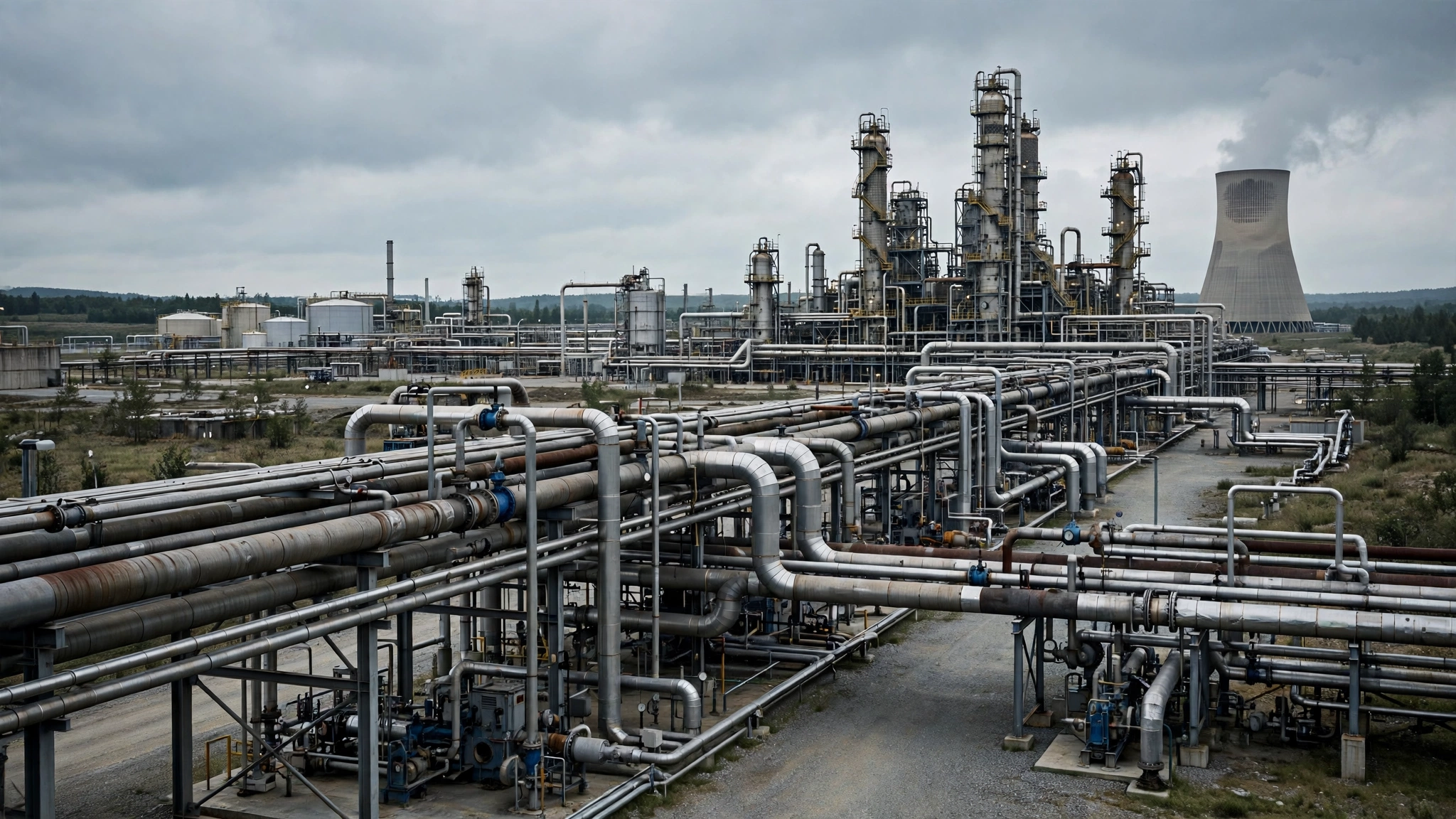
The biggest challenge is cost. A capture unit can add a large share to the price of running a plant, and the energy it needs raises fuel use. For a cement or steel plant on thin margins, that extra cost can decide whether a project goes ahead. Energy use matters too: if the capture unit runs on fossil power, some of the benefit is lost, so projects work best when paired with clean energy or waste heat.
Infrastructure is another limit: CO2 pipelines, storage sites, and monitoring systems take years to permit and build, and public concern about safety can slow projects down. Communities near proposed storage sites ask fair questions about leaks and long-term responsibility, and projects that fail to answer them can stall. Regulators are still writing the rules for who owns stored CO2 and who is liable if it escapes.
There is also a debate about priorities. Some climate experts worry that capture gives fossil fuel companies an excuse to keep producing oil and gas, and that the money should go to renewable energy, efficiency, and electrification first. The strongest response is that capture should be used where alternatives are weak, such as cement and steel, rather than as a blanket excuse for business as usual. Used that way, it is one tool among many, and its value depends on how it is applied.
Practical Tips / Examples / Things to Know
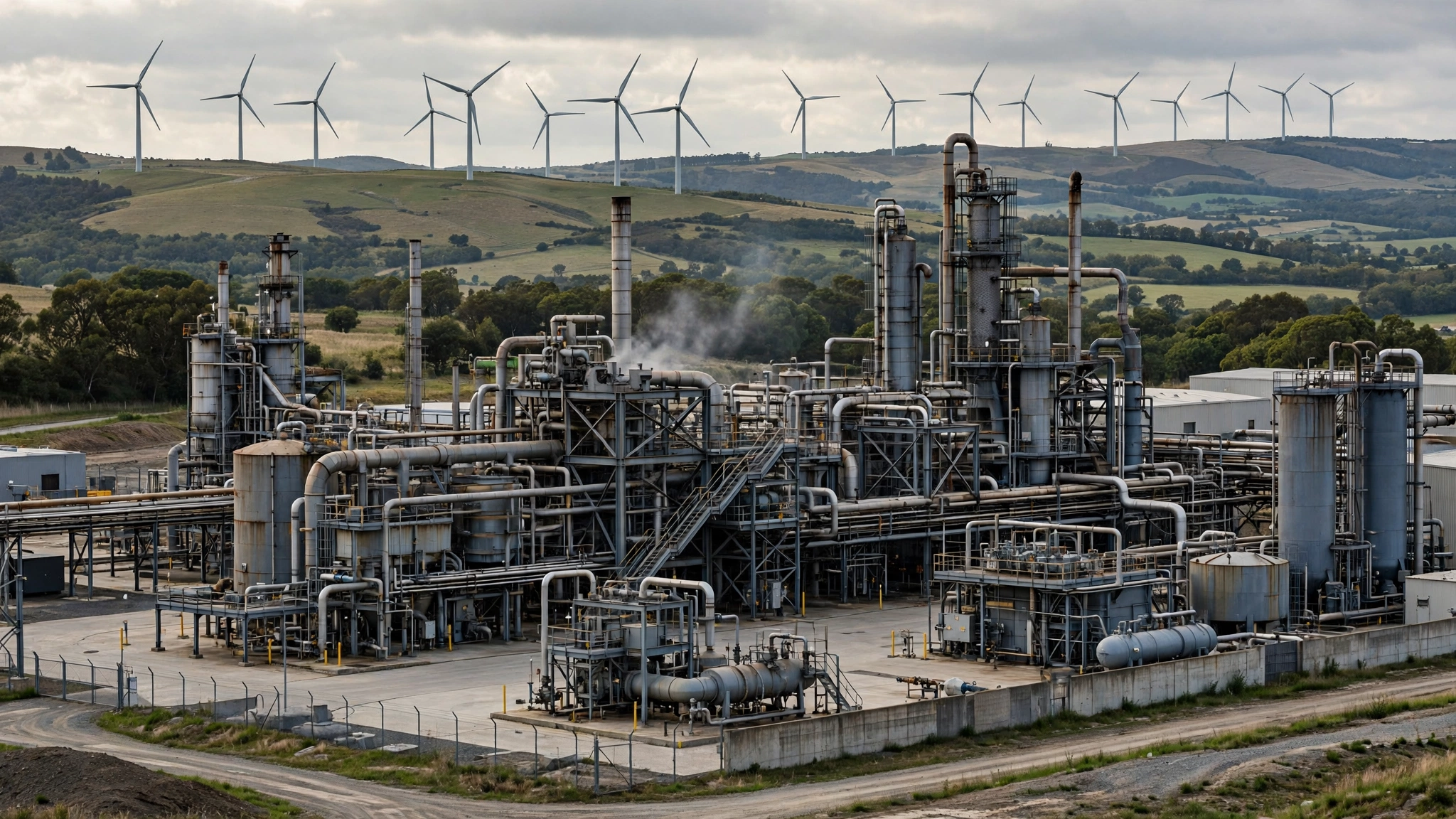
- Know the source of the emissions. Capture makes most sense for process emissions from cement, steel, and chemicals, where no fuel switch removes the CO2.
- Check the capture rate. A unit capturing 90 percent of a plant’s CO2 is far more useful than one capturing half, so ask for the verified rate.
- Look at the whole chain. Capture is only one step: the CO2 still needs transport, storage, and monitoring, and a weak link undermines it.
- Compare costs per tonne. Capture costs vary widely by industry and method, so compare projects per tonne rather than on total spending.
- Follow the policy picture. Tax credits such as 45Q and carbon pricing change which projects are viable, so economics can shift with a single law.
- Watch the energy source. A capture unit powered by clean energy or waste heat delivers a much larger net emissions cut than one running on coal or gas power.
- Learn from operating projects. Plants such as Sleipner publish real operating data, which is more useful than projections from a brochure.
Common Mistakes / Considerations / What to Avoid
- Treating capture as a substitute for cutting emissions. Capture works best alongside cleaner power and efficiency, not instead of them.
- Ignoring the energy penalty. Every capture method uses energy, and ignoring that cost overstates a project’s climate benefit.
- Assuming all captured CO2 is stored. Some is used for enhanced oil recovery, which can lead to more oil production, so check where it actually goes.
- Overlooking storage monitoring. Underground storage needs long-term monitoring and clear liability rules, and projects that skip this step invite trouble.
- Believing one technology fits every plant. The three main methods suit different situations, and picking the wrong one wastes money.
- Trusting round numbers without a source. Claims about huge capture volumes or very low costs should be checked against published project data.
- Forgetting the timeline. Pipelines and storage sites take years to build, so a capture announcement is not the same as captured carbon.
Final Thoughts
Carbon capture technology has reached a turning point. The methods are proven, the first large plants are running, and policy support is making more projects possible. At the same time, costs are still high, infrastructure is still thin, and honest questions remain about where capture should be used. The technology will matter most in the industries that have no easy alternative, and its success will depend on careful project design, clear rules, and steady investment. The next few years will show whether capture becomes a normal part of how heavy industry works, or stays a promising idea that never quite scales.