
How Self-Healing Materials Could Make Future Electronics More Durable
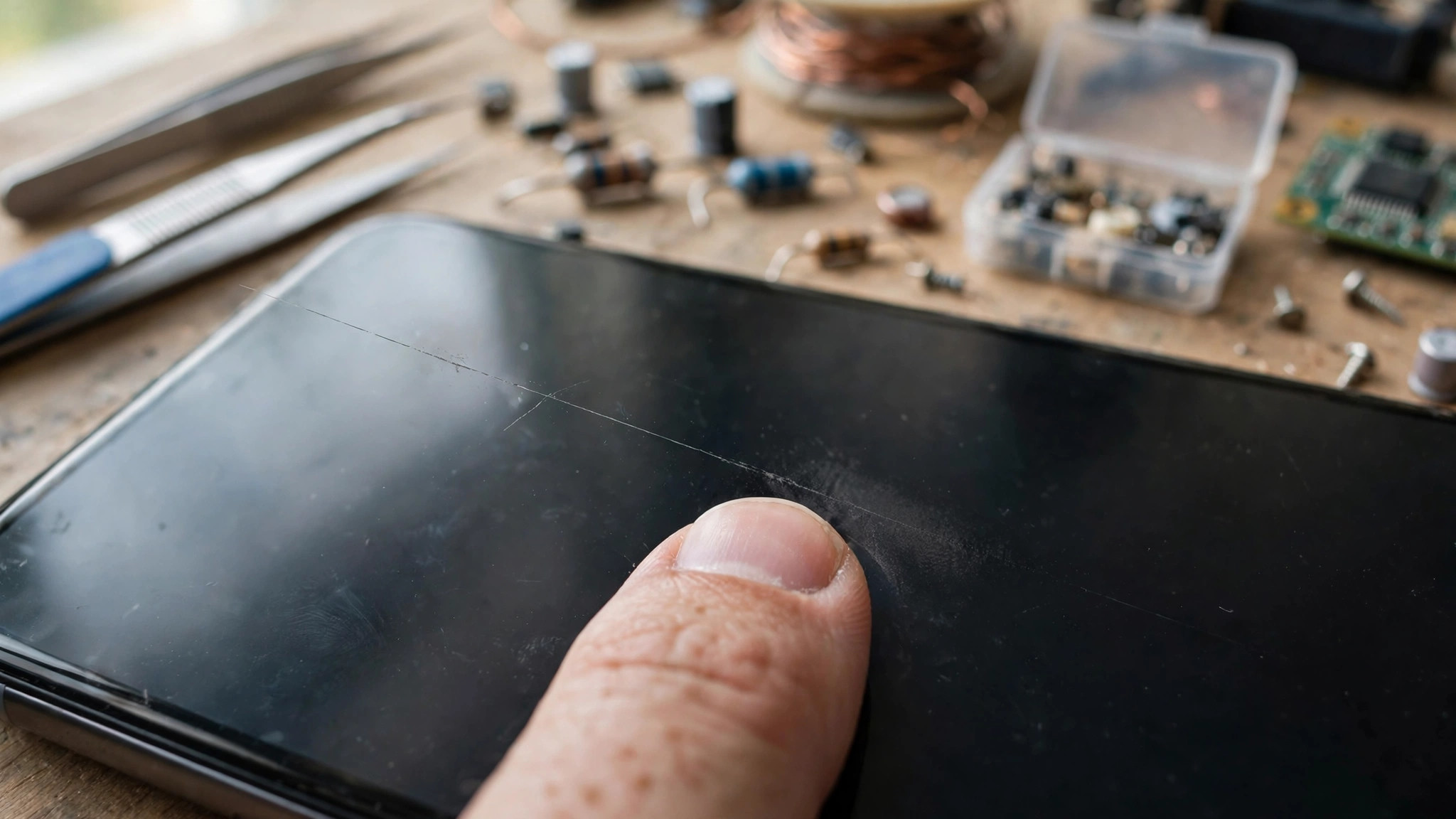
Drop a phone and the result is usually the same: a cracked screen, a dented corner, or a scratch that catches the light. Most of the materials in our electronics do nothing about damage. Once they break, they stay broken, and the only fix is a repair shop or a replacement.
Self-healing materials work differently. They are designed to repair small amounts of damage on their own, closing cracks and sealing scratches without anyone intervening. Researchers have been developing them for more than two decades, and early versions are already in use.
This article explains what self-healing materials are, how they work, where they could make electronics last longer, and what still stands in the way.
What Self-Healing Materials Actually Are
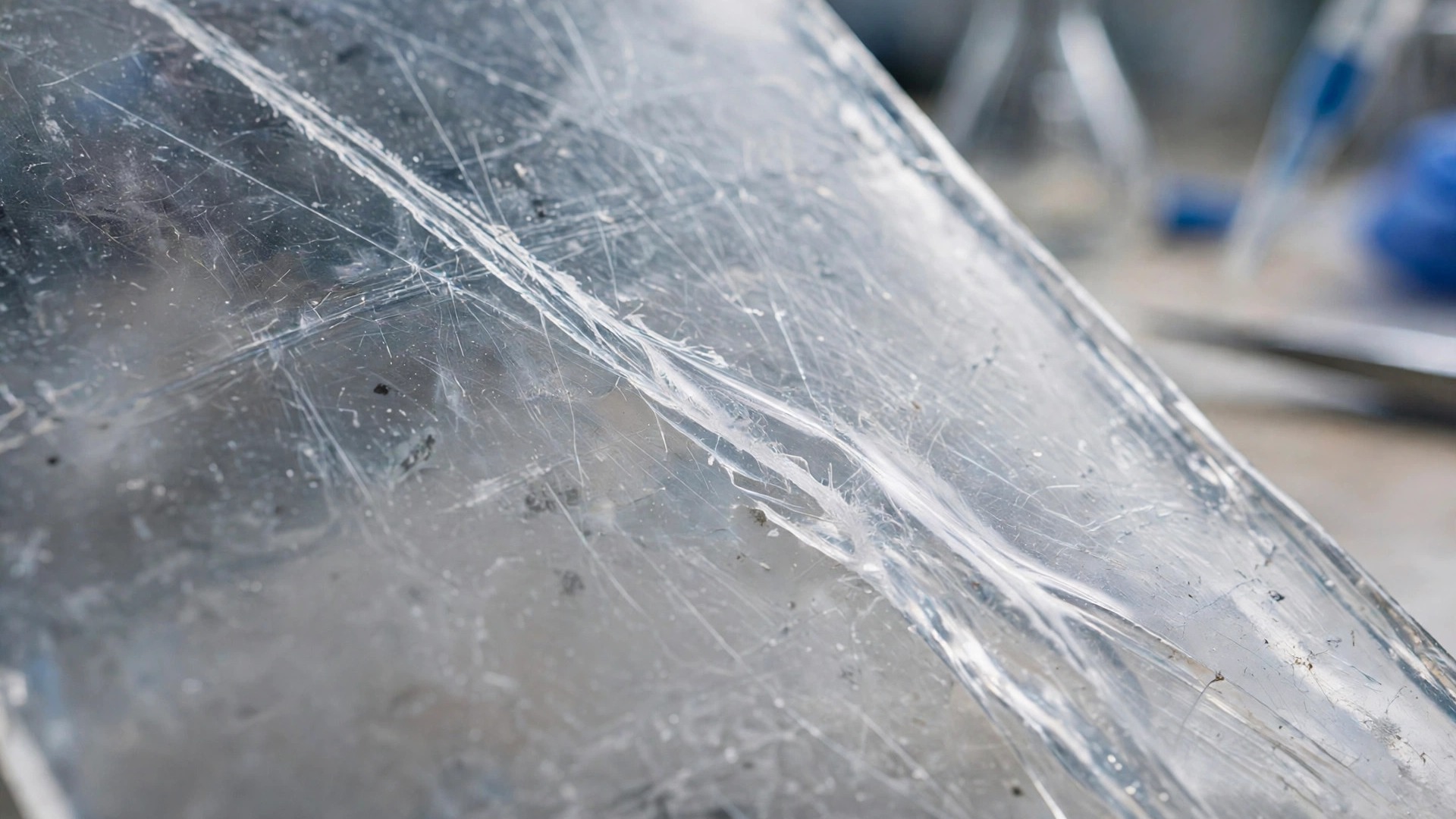
A self-healing material can repair damage to itself, either automatically or with a small trigger such as heat or light. The damage it handles is usually small: a scratch, a hairline crack, a cut in a coating. Nobody is suggesting a phone could reassemble itself after being smashed, but a screen that heals its own fine scratches is realistic.
The idea comes from nature. Human skin closes a small cut on its own, and bone repairs a fracture over time. Engineers have spent years trying to copy that ability, and the result is a growing family of materials, from plastics and coatings to concrete and metals.
The first widely known example appeared in 2001, when researchers at the University of Illinois published work on a polymer that healed cracks using tiny capsules of liquid resin hidden inside it. When a crack reached a capsule, it broke open and the resin flowed in and hardened, gluing the crack shut. That paper started a field still growing in 2026.
Since then, the field has split into two approaches. In one, the healing agent is stored inside the material and released when damage happens. In the other, the material itself is built from chemical bonds that can break and reform, so it can heal again and again.
How Self-Healing Works
There are several ways to build healing into a material. The simplest is the microcapsule method. Tiny capsules, far too small to see, are mixed into a polymer or coating. Each holds a healing liquid, and the material also contains a catalyst that makes the liquid harden. When a crack breaks a capsule, the liquid flows out, meets the catalyst, and sets hard, filling the crack. But once a capsule is used up, that spot cannot heal again.
A second method uses a network of tiny channels, like blood vessels, running through the material. These channels carry healing liquid, so when a crack appears, fresh liquid can flow to the damage from elsewhere. This method can heal the same area more than once and handle larger cracks, but building channels into a thin electronic part is much harder than mixing in capsules.
A third method needs no stored liquid at all. These intrinsic healing materials are made from polymers whose chemical bonds can break and reform. The best-known examples use reversible bonds, such as the Diels-Alder reaction, which come apart when heated and join up again as the material cools. A scratch in such a polymer can be healed by warming it gently. Others heal at room temperature, simply by pressing the two sides of a cut together.
There is also a simpler idea used in coatings: a polymer that flows very slowly, so a scratch gradually closes as the material creeps back into place. LG used a version of this in the G Flex phone in 2013, whose back cover could heal light scratches on its own. It was an early, limited example, but it showed that self-healing could reach a real product.
Each method suits different uses: a phone screen needs a hard, clear coating, while a flexible circuit needs a material that bends thousands of times.

Where Self-Healing Materials Could Change Electronics
The most obvious use is the smartphone screen. Modern phone glass is remarkably tough, but it still scratches, and a scratched screen is one of the most common reasons people replace a phone. A self-healing coating on top of the glass could smooth away fine scratches, keeping the screen clear for longer. Flexible displays, which bend and fold, also need materials that can survive repeated flexing without tiny cracks.
Batteries are another promising area. A lithium-ion battery swells slightly each time it charges and shrinks as it discharges. Over hundreds of cycles, that movement can crack the electrodes inside, and those cracks reduce capacity. Researchers have developed self-healing polymers that work as binders inside battery electrodes, holding the material together as it expands and contracts. If such binders reach commercial batteries, they could slow the loss of capacity that makes old phones die by mid-afternoon.
Wearables face a different problem: they are worn against skin, bent, stretched, and exposed to sweat. A fitness tracker or smartwatch strap made from a self-healing polymer could recover from the small cuts of daily wear. Researchers are also building stretchable electronic skin, thin sensors that sit on the body and measure health signals, which need to heal when torn so they can keep working. This connects to the wider wave of robotics, where flexible, damage-tolerant materials are becoming essential, as discussed in the article on robotics innovations that could transform industries.
Flexible and printed circuits are a further use. As electronics move into clothing, packaging, and curved surfaces, the circuits themselves need to bend, and a crack in a printed conductive trace can break a connection entirely. Self-healing conductive materials, which restore their electrical path when a crack closes, could make these circuits more reliable.
There is also a quieter use: protective coatings on circuit boards and connectors. Moisture and air cause corrosion, and corrosion starts at small defects in a coating. A coating that seals its own scratches would keep moisture out for longer, extending the life of devices that work in harsh conditions. Longer-lasting electronics also fit the wider effort to make computing more efficient, a theme explored in the article on how optical chips could reduce the energy cost of AI computing.
Self-Healing Materials in the Real World Today
Self-healing materials are not only a laboratory idea. Several versions are already in use. Self-healing coatings are used on cars, where they repair fine scratches in the paint, and on phone cases and screen protectors sold as accessories. They show that the principle works outside a laboratory.
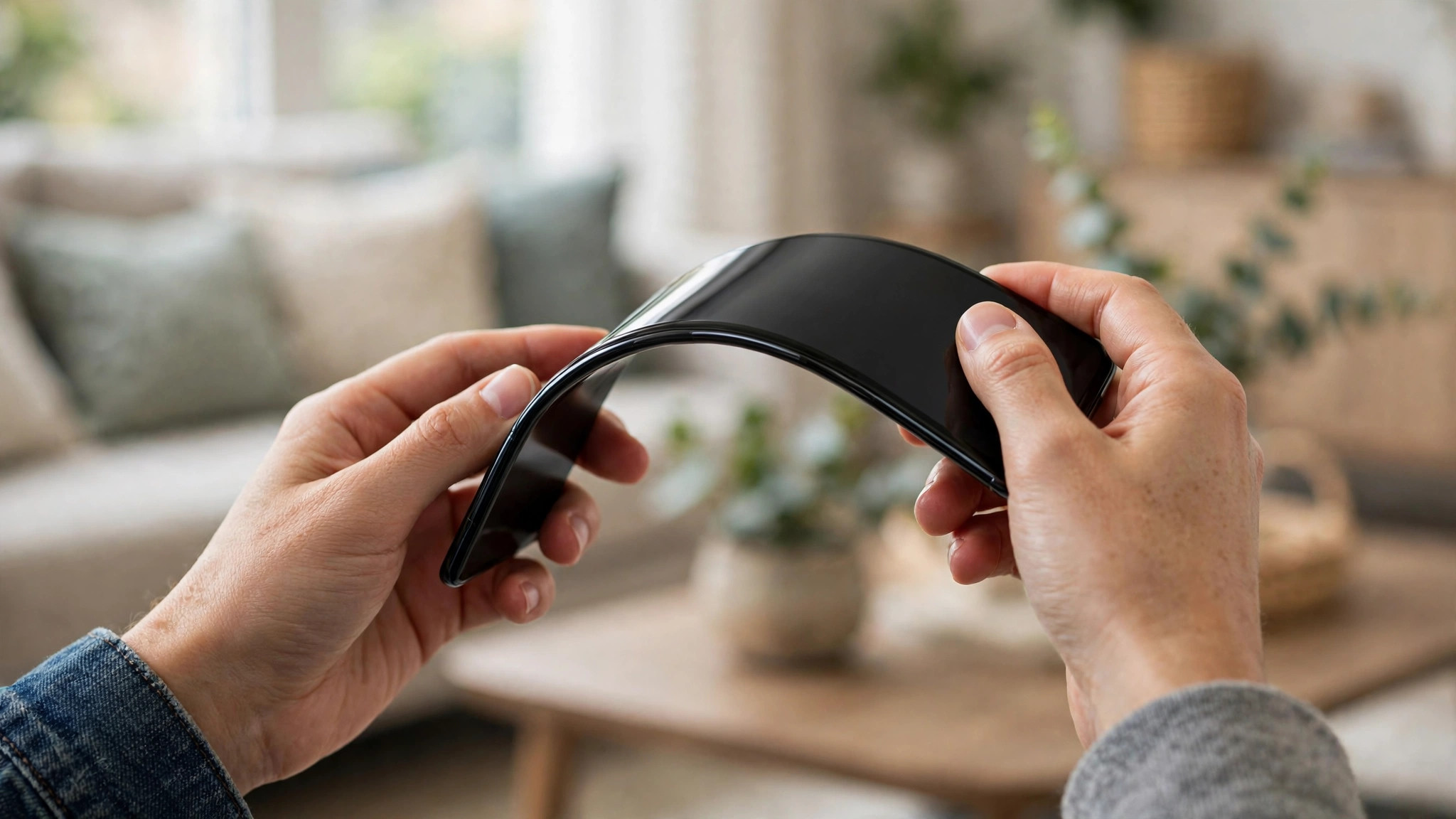
Self-healing concrete is one of the most developed applications. Researchers at Delft University of Technology developed concrete containing bacteria that produce limestone when cracks let water in, sealing the crack. It is used in a small number of buildings and infrastructure projects. It has nothing to do with electronics, but it proves that a self-healing material can work at scale, in the real world, over years.
In electronics, the progress is quieter. Research groups at Stanford and elsewhere have built self-healing polymers for electronic skin and flexible sensors, and several companies are working on self-healing coatings for displays. Some phone makers have patented self-healing display materials, though no major phone in 2026 ships with a fully self-healing screen. The gap between a laboratory demonstration and a mass-produced screen is large: the material must be clear, hard, and cheap.
There is also growing interest in self-healing materials for robots. A household robot that bumps into furniture and picks up objects will get scratched and dented, and a soft robot made from a self-healing material could recover from that wear. As household robots move closer to practical use, a question explored in the article on whether household robots can become practical helpers, the materials they are made from will matter as much as the software.
The Challenges That Remain
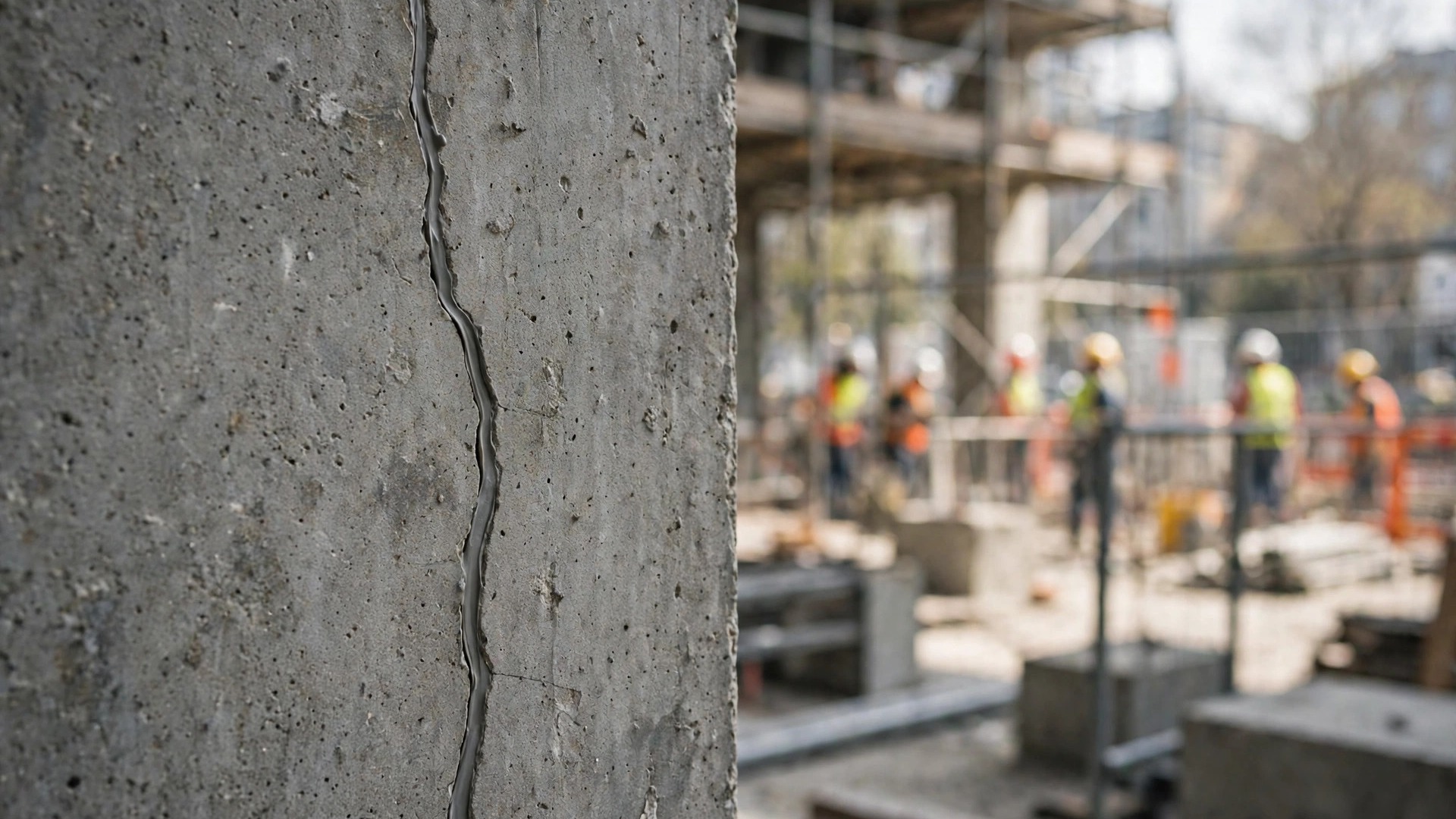
For all the promise, self-healing materials face real obstacles. The first is the trade-off between healing and strength. Materials that heal easily tend to be soft, because their bonds need to move and reform. Materials that are hard and durable tend to heal poorly, because their bonds are locked in place. Making a material both hard enough for a phone screen and able to heal is one of the central challenges of the field.
The second is cost and manufacturing. A self-healing polymer may work beautifully in a laboratory, but making it in the millions of units a phone maker needs, at a price the market will accept, is a different problem. Manufacturing is built around established materials and processes, and changing them is slow and expensive.
The third is the limits of healing itself. Self-healing materials repair small damage: scratches, hairline cracks, tiny cuts. They cannot repair a shattered screen or a bent frame. The honest promise is narrower: fewer visible scratches, longer life for coatings and flexible parts, and slower degradation of batteries and circuits.
There are also questions about how many times a material can heal, and how well. A capsule system heals once per spot. A reversible-bond polymer can heal many times, but each repair may be slightly weaker than the original. And healing takes time: some materials repair damage in minutes, others need hours or heat. The most useful ones for electronics work at room temperature, on their own, while the device is in normal use.
Practical Tips / Examples / Things to Know
- Self-healing coatings are already available on some phone cases and screen protectors: check reviews rather than trusting the label alone.
- If you use a phone with a self-healing back or coating, light scratches may fade over hours: give them time before deciding the coating has failed.
- Keep expectations realistic: self-healing handles fine scratches and small cracks, not a shattered screen or a bent frame.
- For devices that live outdoors, such as sensors and cameras, a self-healing coating can be worth the extra cost because it keeps moisture out of small defects.
- If you work with flexible electronics or wearables, ask suppliers about self-healing polymers for coatings.
- Remember that self-healing is a material property, not a software feature: it cannot be added to a device with an update.
Common Mistakes / Considerations / What to Avoid
- Assuming a self-healing material can repair serious damage: it is designed for small scratches and cracks, not for a phone that has been smashed.
- Believing marketing claims that a product is fully self-healing without checking what it can actually repair, and how many times.
- Ignoring the trade-off between healing and hardness: a material that heals easily may scratch more easily in the first place.
- Expecting healing to be instant: some materials take hours to repair a scratch, and some need heat or pressure to heal at all.
- Overlooking cost: self-healing materials cost more than ordinary plastics and coatings, so they make sense first in premium devices.
- Forgetting that a healed area may be weaker than the original material, especially after repeated damage in the same spot.
Final Thoughts
Self-healing materials will not make electronics indestructible, and they should not be sold as if they will. What they can do, over the coming years, is make the devices we already use last longer: screens with fewer scratches, batteries that hold their capacity for more cycles, flexible parts that survive bending, and coatings that keep moisture out for longer. Those are modest gains, but they add up in a world where replacing a phone every year or two is expensive and wasteful.
The most interesting part is not a single breakthrough, but a steady shift in how materials are designed. For a century, engineers made materials as strong and fixed as possible, and accepted that damage was permanent. Self-healing materials take the opposite approach: they accept that damage will happen, and build the repair into the material itself. As that idea moves into displays, batteries, and flexible circuits, the electronics of the next decade could be noticeably more durable, not because they never get damaged, but because they know how to recover.