My Baby’s Great-Grandma Refused to Shower Before Meeting Him—So I Held My Boundary
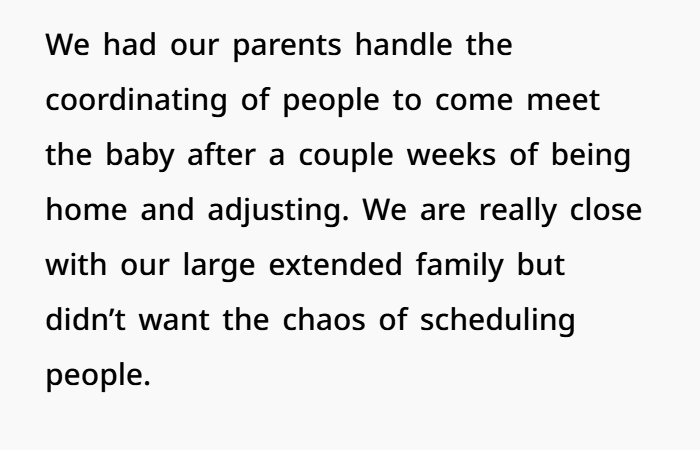
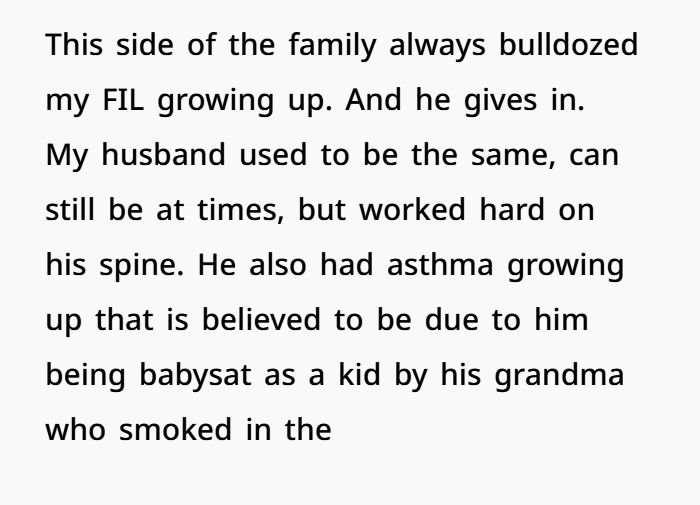
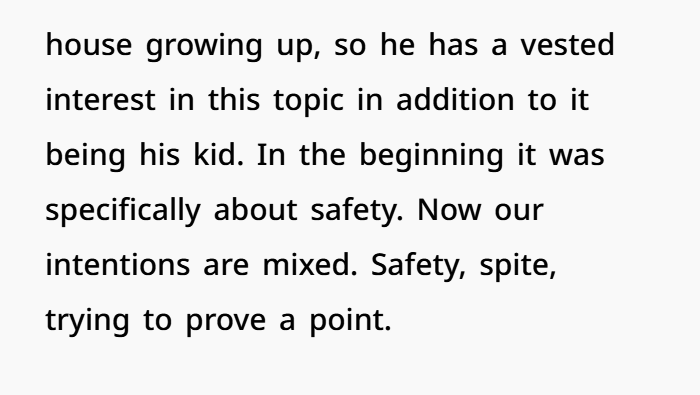
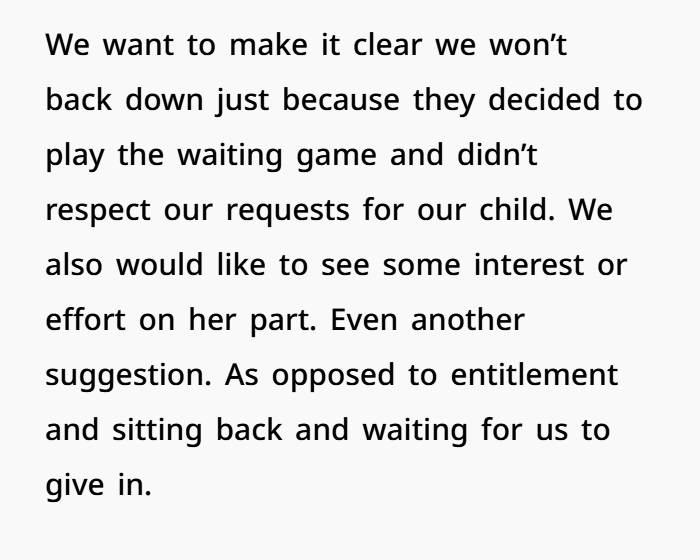
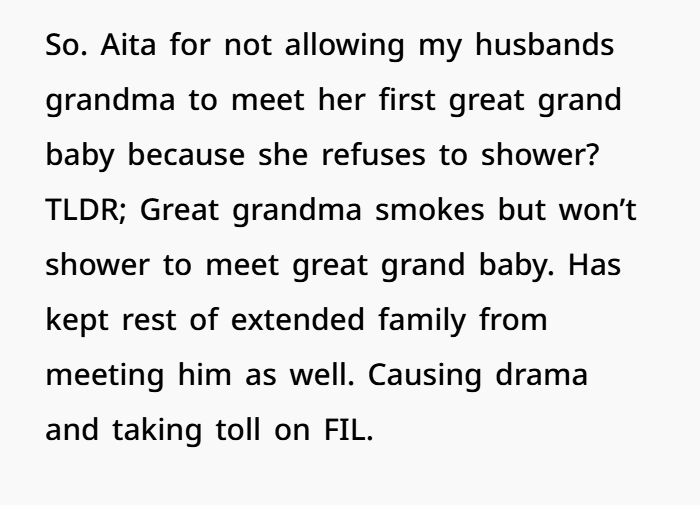
This story is about new parents who are trying to protect their premature newborn while dealing with a family disagreement. The mother is 25 years old, and her baby boy was born four weeks early. He spent nine days in the NICU because he had trouble with breathing and feeding. Because of his early birth, his parents became extra careful about his health and safety.
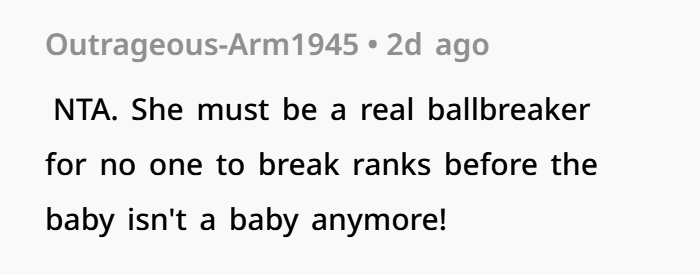
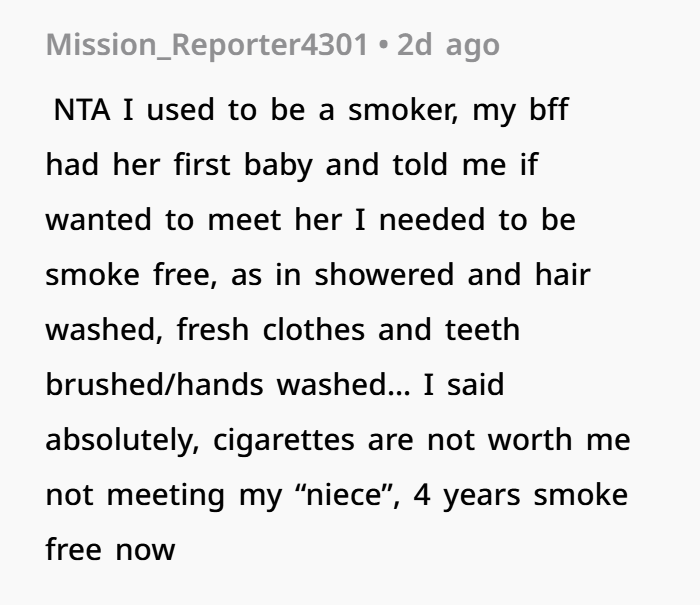
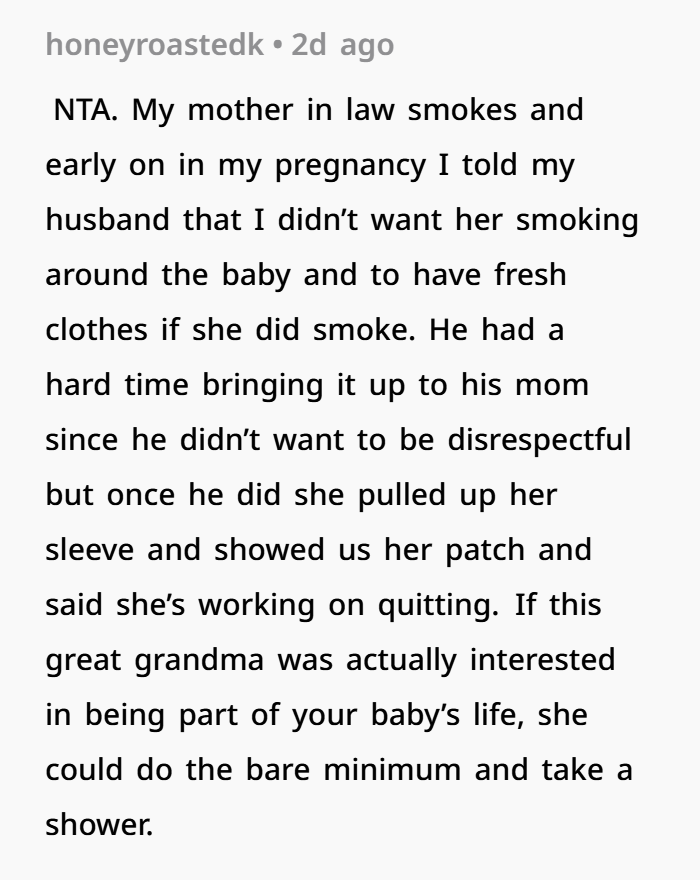
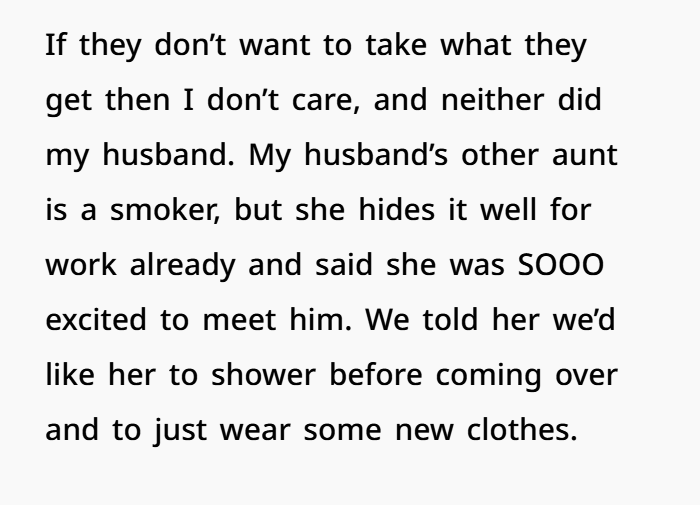
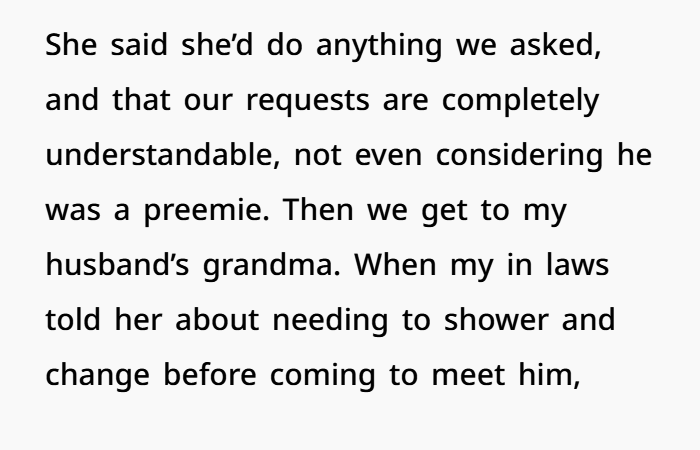
Before family members visited the baby, the parents created a simple health rule. Anyone who smokes needed to shower, wear fresh clothes, and avoid bringing smoke smell or residue near the newborn. Other family members who smoked respected the request and followed the safety steps without problems.
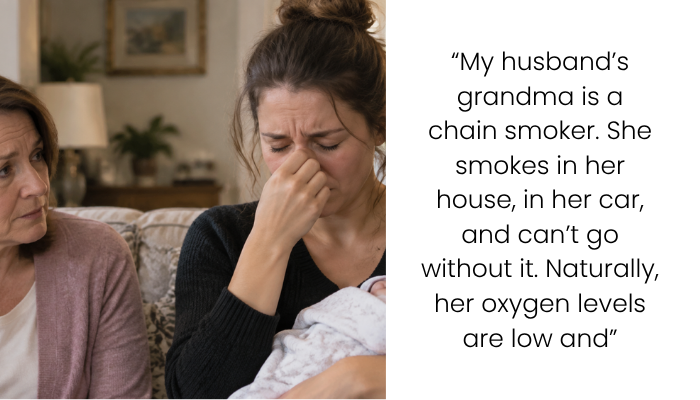
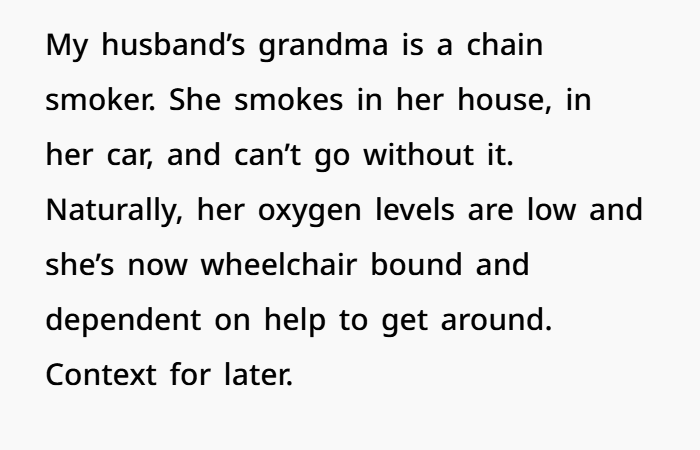
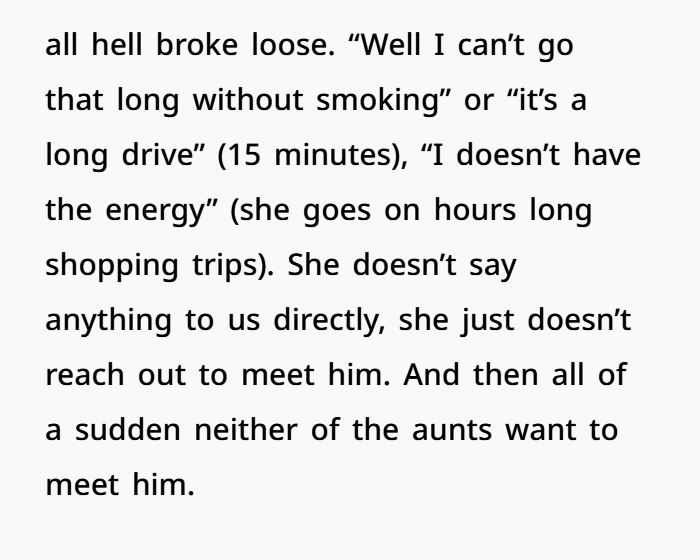
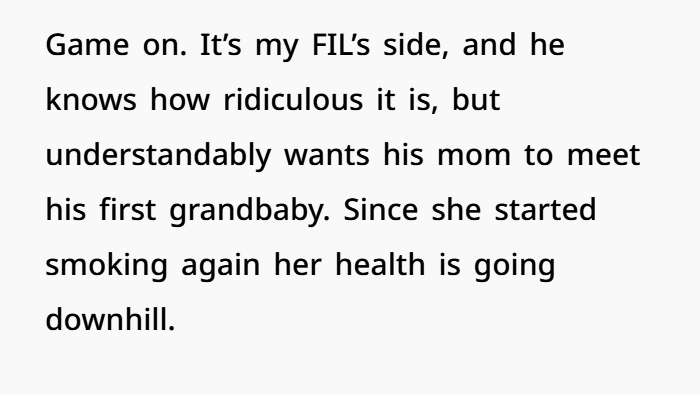
The biggest conflict started with the husband’s grandmother. She has smoked for many years and often smokes inside her home and car. She did not agree with the parents’ request and said she could not stop smoking long enough to follow the routine. She also felt that taking a shower and changing clothes was too difficult.
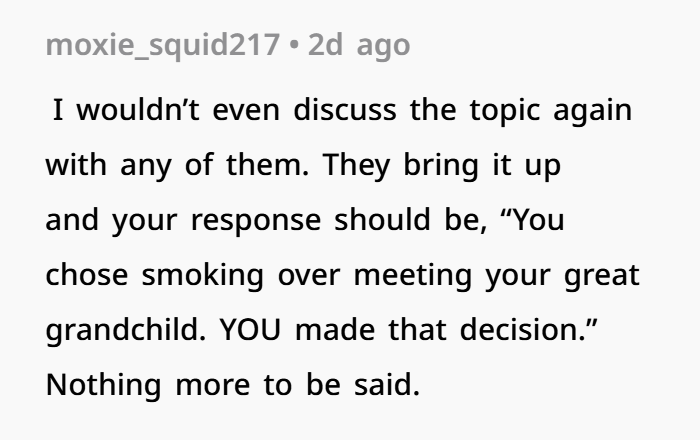
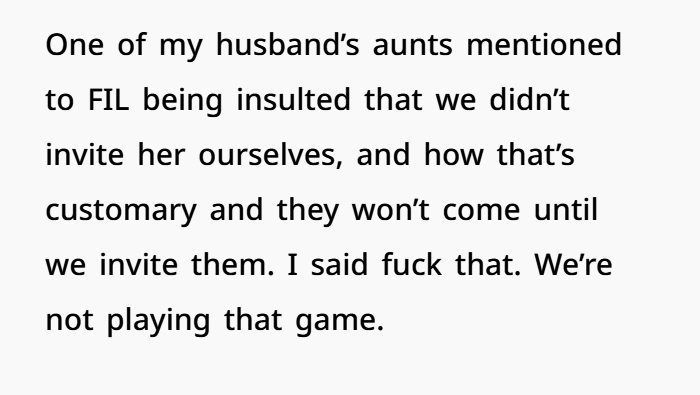
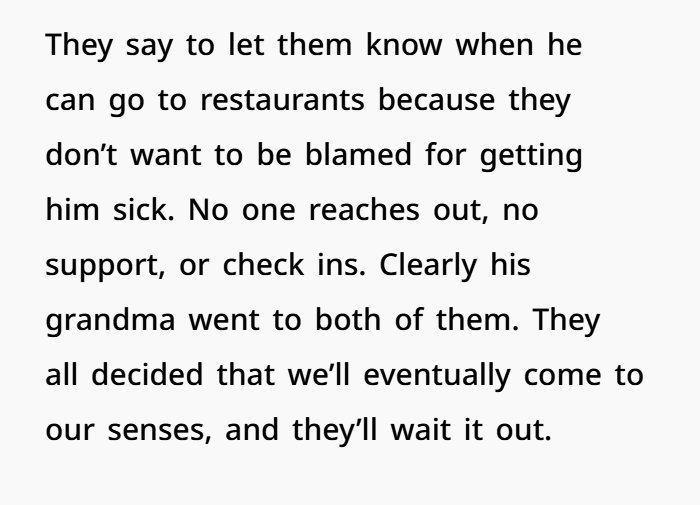
Instead of working through the issue, the grandmother stopped trying to visit and other relatives became upset with the parents. They felt the rules were too strict and accused them of making things difficult. Months later, the grandmother still has not met her great-grandchild. The parents are now wondering if they are simply protecting their baby’s health or if the family conflict has become more complicated than they expected.

Thirdhand Smoke, Newborn Safety, and Family Boundaries
Becoming a parent often changes the way people think about family, health, and safety.
Many new parents face difficult situations where they have to balance family relationships with protecting their baby. Sometimes relatives may feel hurt when parents create rules for their child. They may believe those rules are personal.
However, most parents set boundaries because they want to keep their child safe. These choices are usually about health and protection, not about rejecting family members.
What Is Thirdhand Smoke?
Many people know that secondhand smoke can be harmful. Secondhand smoke happens when someone breathes in smoke from another person’s cigarette.
But there is another concern called thirdhand smoke.
Thirdhand smoke is the leftover chemical residue from smoking that stays on different surfaces after the smoke disappears.
It can remain on:
- Clothes
- Hair
- Skin
- Furniture
- Cars
- Blankets
- Household surfaces
Babies can be more sensitive to these residues because they spend a lot of time touching things around them and putting their hands near their mouths.
This is why some parents choose to take extra steps to reduce smoke exposure around their children.
Why Newborns May Need Extra Protection
Parents often become more careful when their baby has health concerns.
Babies who are born early or spend time in the NICU may need additional attention because their bodies are still developing.
During the early months, many parents follow extra safety steps to protect their baby’s health.
Even when a child becomes stronger, parents may continue certain habits because they want to create a safe environment.
Every family has the right to make decisions based on their own situation and comfort.
When Family Members Disagree With Parenting Choices
Family disagreements can become emotional, especially when grandparents are involved.
A grandparent may feel upset when they are asked to follow certain rules before spending time with a baby.
They may feel that the rules are unnecessary or believe they are being judged.
But parenting boundaries are usually not meant to hurt anyone.
They are a way for parents to communicate what they believe is best for their child.
Family members do not have to agree with every decision, but they should respect the parents’ role.
When a Safety Rule Becomes a Bigger Problem
Sometimes a disagreement starts with one issue but becomes about something deeper.
The problem may no longer only be about smoking.
It may become about trust, respect, communication, and whether parents feel their choices are being accepted.
When one person refuses to accept a boundary, the situation can turn into a struggle over control.
The bigger question becomes:
“Can everyone respect the parents’ responsibility to make decisions for their child?”
Understanding Healthy Boundaries
A healthy boundary explains what is needed for a safe and respectful relationship.
For example:
“We need certain safety steps before you visit or hold our baby.”
A boundary focuses on protecting the child and creating comfort for the family.
A punishment has a different purpose. It is meant to make someone feel bad because of past actions.
The difference often comes down to the reason behind the decision.
Parents can protect their baby while still caring about family relationships.
Finding a Solution That Works
Family situations can change over time.
A rule that was created when a baby was very young or medically fragile may be reviewed later.
A family may find a safer way for everyone to spend time together.
Possible steps may include:
- Taking a shower before holding the baby
- Wearing freshly cleaned clothes
- Meeting in a smoke-free place
- Avoiding smoking before visits
Changing a plan does not mean anyone was wrong before.
It simply means families can adjust as circumstances change.
Respecting Parents’ Decisions
Grandparents can have a special and meaningful relationship with children.
Many families value the love, support, and memories grandparents provide.
However, this relationship works best when grandparents respect the parents’ decisions.
Parents are responsible for choices about their child’s health, safety, and care.
Family members can share their opinions, but the final responsibility belongs to the parents.
Rebuilding Trust After Family Conflict
This situation is about more than smoking or one rule.
It is about whether family members can communicate with kindness and respect.
Parents want to protect their baby.
Grandparents want to feel connected and included.
Both feelings are understandable.
A healthy family relationship requires trust, understanding, and respect for boundaries.
Protecting a child and maintaining family connections are both important. But before a relationship can become close again, everyone needs to respect the role and decisions of the parents.
What The Comments Reveal