
My Daughter-in-Law Says I Favor My Daughter’s Kids—Am I Wrong for Helping My Daughter?
This story is about a mother who is trying to keep a good relationship with both of her adult children. She is learning that the way she gives her time, attention, and support can sometimes affect how her family members feel. She wants to help everyone, but she realizes that her choices may have created feelings of unfairness.
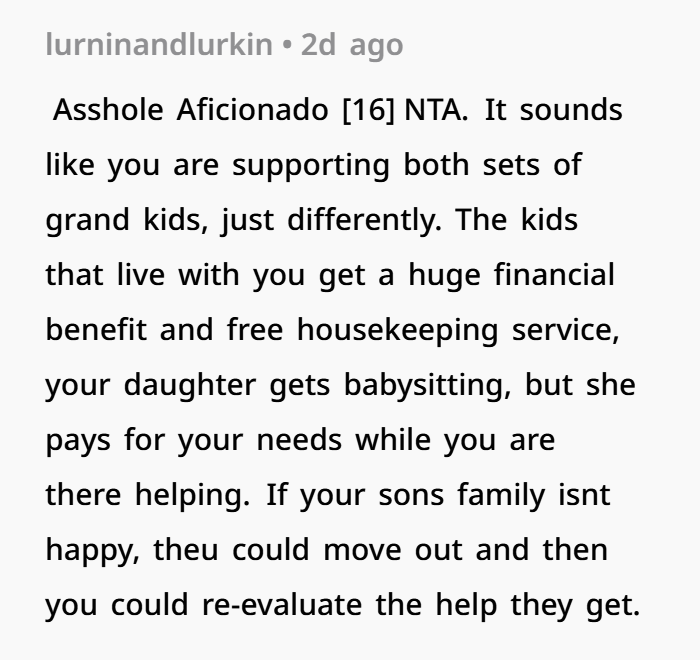
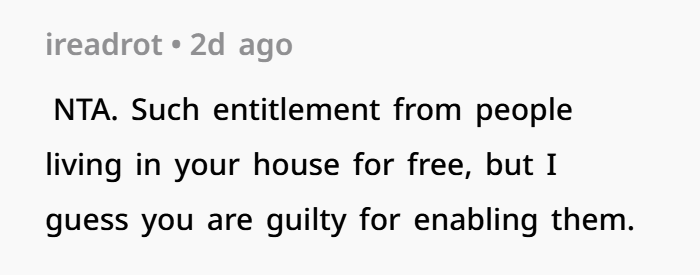
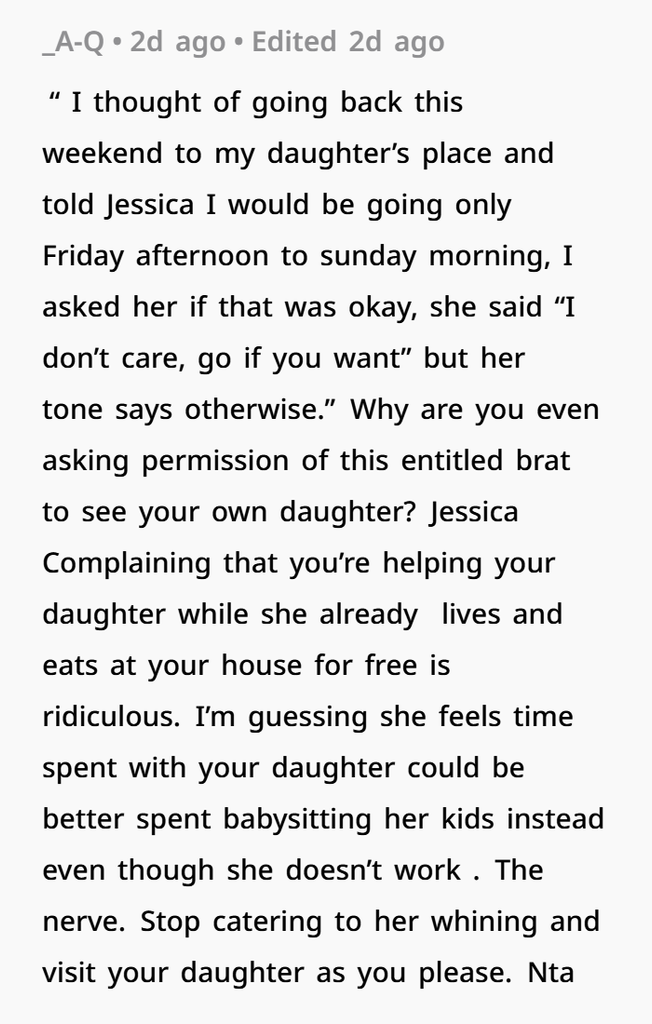
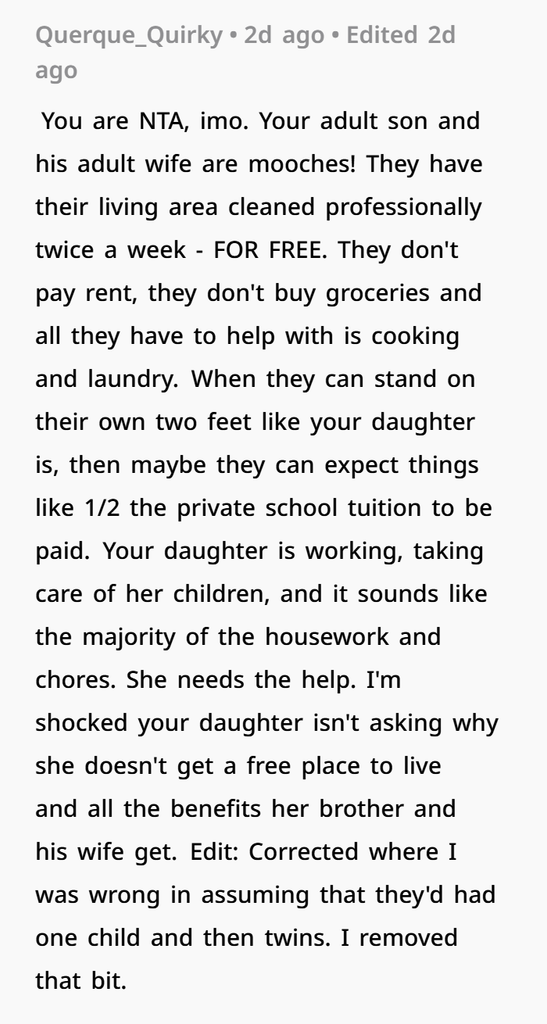
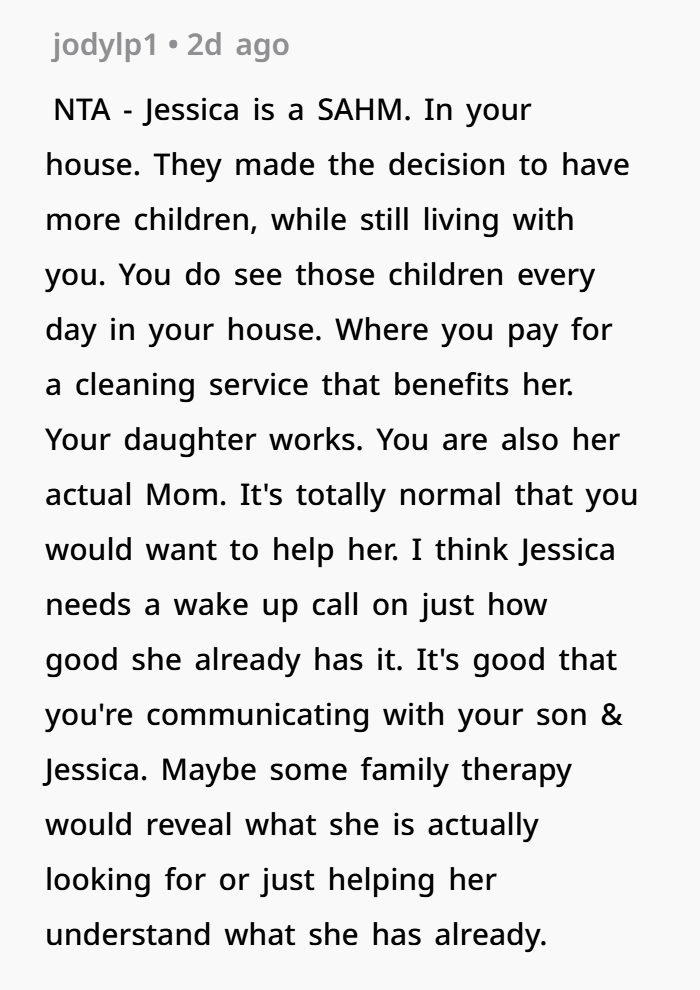
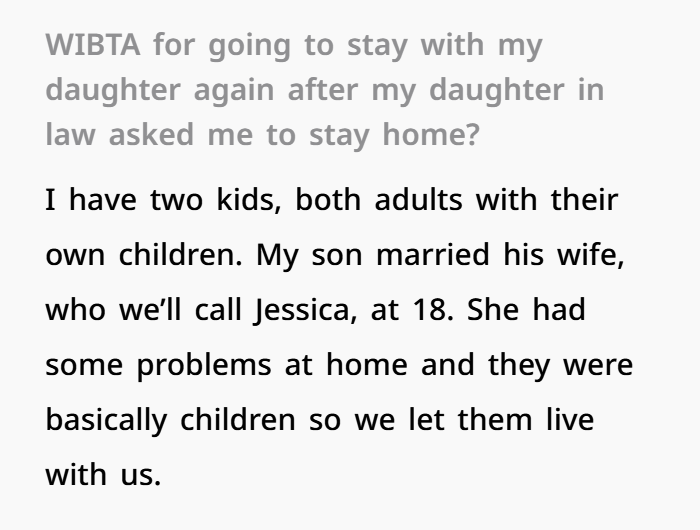
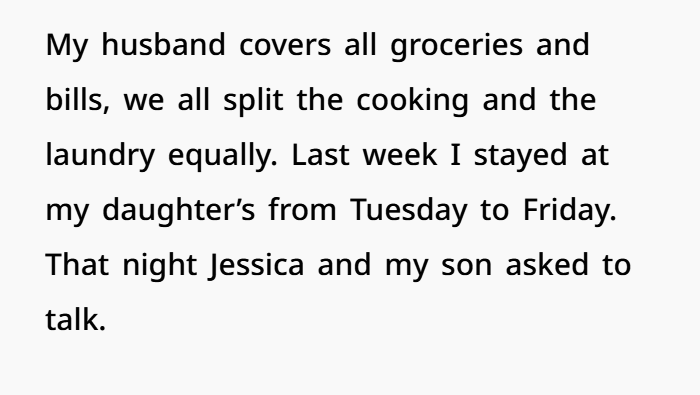
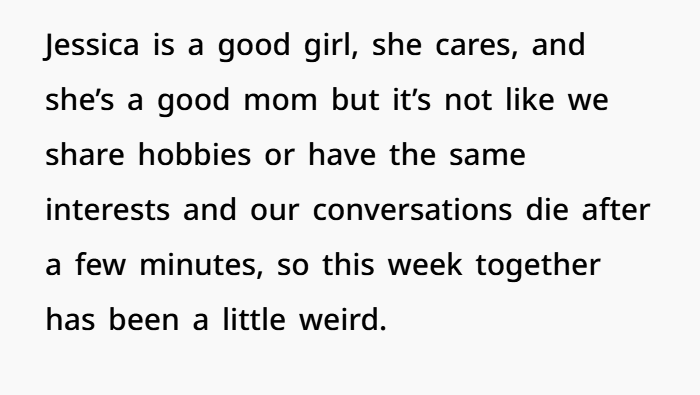
Her son married Jessica when they were both young. Because Jessica was having problems at home, they moved in with the mother and her husband. Over time, living together became normal. They share the home, help with responsibilities, and have created a comfortable family arrangement.
The mother’s daughter also depends on her for help. She has two children, and the mother often stays at her daughter’s home several nights a week to help with childcare and daily tasks. The mother believed she was helping the person who needed the most support at that time.
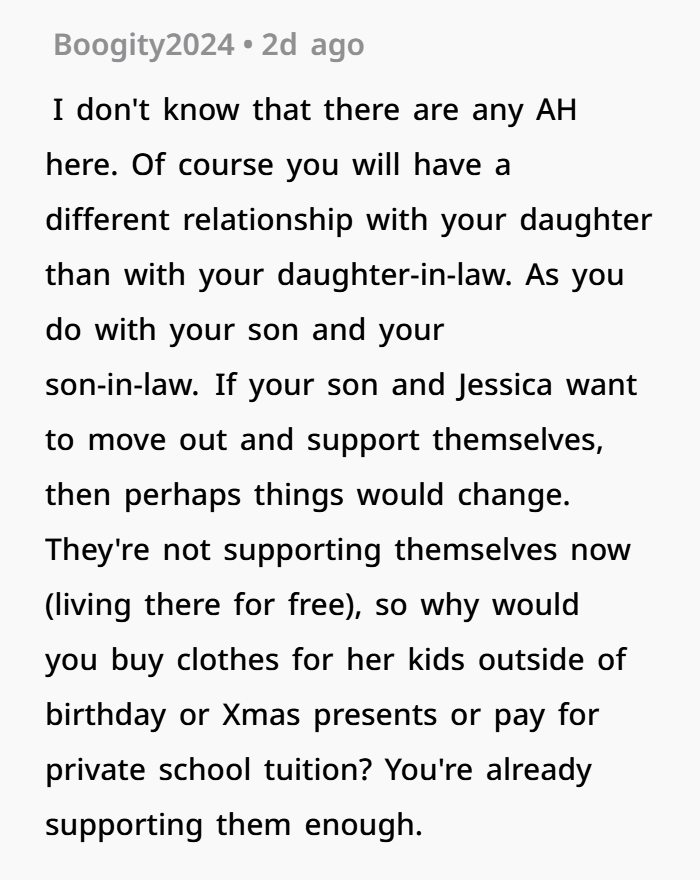
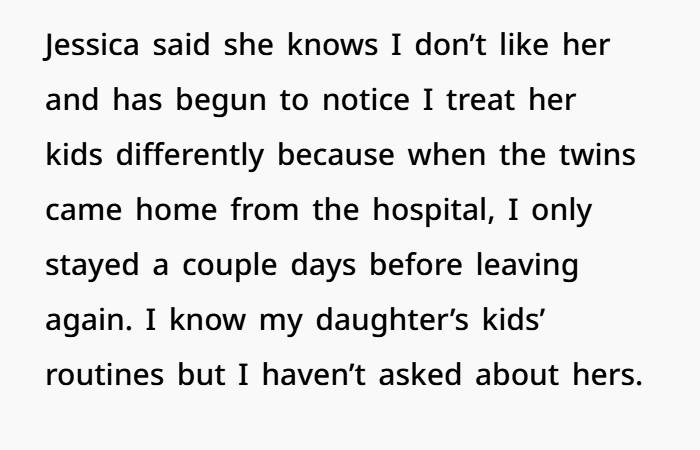
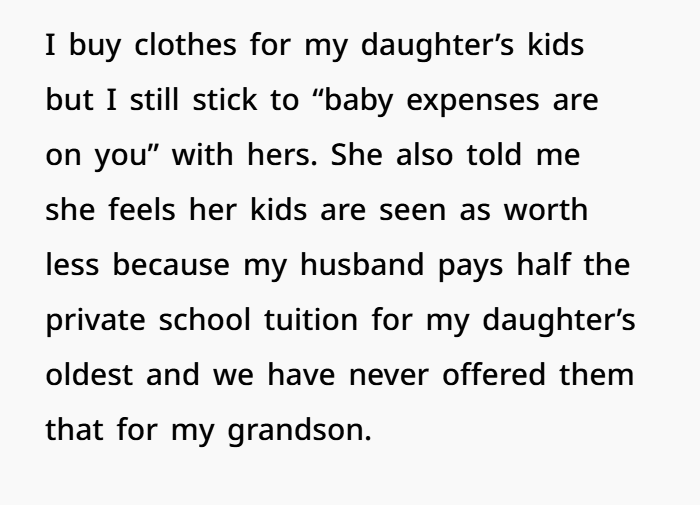
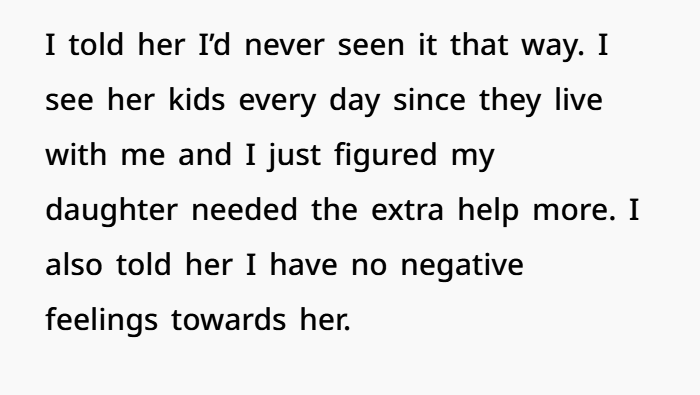
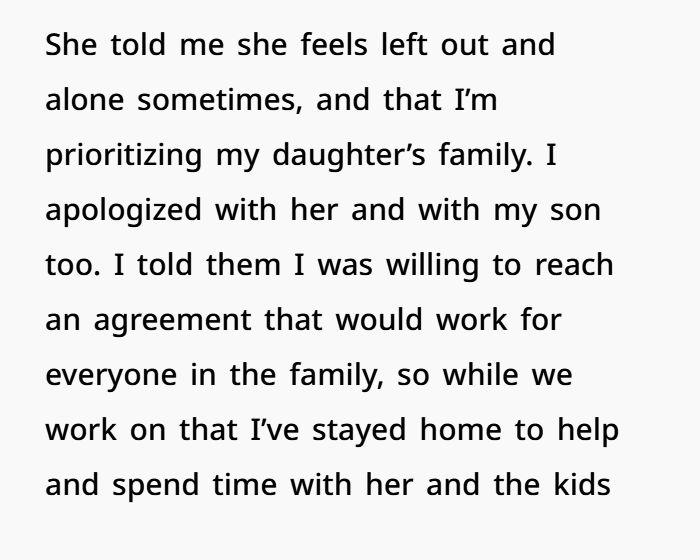
The problem started when Jessica shared that she felt ignored and treated differently. She explained that the mother spent more time helping her daughter’s family, knew her grandchildren’s routines better, and gave more financial support to her daughter’s household. The mother apologized and started spending more time with Jessica and the twins. Now, she is wondering how to create a fair balance between both families without hurting anyone’s feelings.

When Family Support Feels Unequal: Finding Balance and Understanding
Family relationships can sometimes become difficult when people have different ideas about what feels fair.
Many parents try to support their children in different ways. One child may need more help because of their situation, while another child may need less support.
From the parent’s point of view, this may feel completely reasonable.
However, family members may not always see the reasons behind those choices. They may only see the difference in time, attention, or financial support.
This can lead to hurt feelings and misunderstandings.
Equal Treatment and Fair Treatment Are Not Always the Same
Many parents believe they are being fair when they respond to each child’s needs differently.
For example, one child may need extra help with childcare, work, or daily responsibilities.
Another child may already have more stability and need less support.
Supporting one person more does not always mean loving another person less.
But fairness is not only about what someone intends. It is also about how their actions are experienced by others.
Why Jessica Feels Hurt
From OP’s perspective, helping her daughter makes sense.
Her daughter works, manages a home, and depends on her mother’s support. OP feels that spending time at her daughter’s house is simply helping where help is needed.
At the same time, OP lives with her son, Jessica, and their children.
Because they see each other every day, OP may feel that they already receive plenty of time and attention.
However, Jessica may not feel the same way.
She may notice that OP:
- Travels to help her daughter
- Has a closer relationship with her daughter’s children
- Provides financial support to her daughter’s family
- Seems more emotionally connected to that side of the family
Even if OP has good reasons, Jessica may still feel left out.
Why Family Members Compare Relationships
In families, people often compare what they receive with what others receive.
They may notice:
- Who gets more time
- Who receives more help
- Who gets more attention from grandparents
- Which grandchildren seem closer
This can become even more emotional when grandchildren are involved.
Grandparents’ time and support can feel like a sign of love and importance.
Sometimes, the feeling of being treated differently can hurt more than the actual difference.
Living Together Does Not Always Mean Feeling Close
OP may believe that living with Jessica and the twins means they naturally have a close relationship.
But spending time in the same home does not always create emotional closeness.
Strong family relationships require effort.
A grandparent can build a stronger connection by:
- Asking about the children’s daily routines
- Remembering important events
- Spending special time together
- Showing interest in their lives
- Offering emotional support
Small actions can help people feel loved and appreciated.
How Money Can Create Family Stress
Financial support can be a sensitive topic in families.
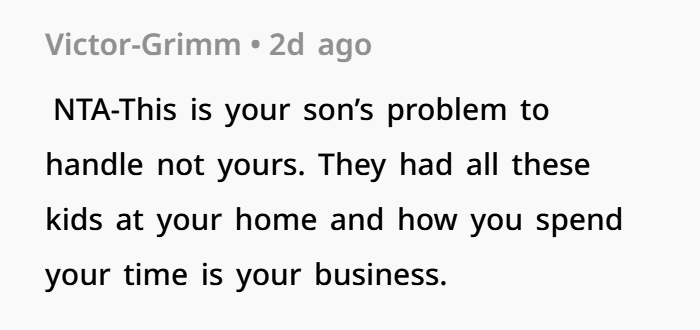
OP and her husband have the right to decide how they use their money.
Helping one adult child does not automatically mean they value another child less.
However, money can create tension when family members do not understand why certain choices are being made.
Clear communication about financial support can help prevent conflict.
Some families choose to:
- Help with emergencies instead of regular expenses
- Create clear rules about financial support
- Support grandchildren equally when possible
- Explain their decisions openly
Having honest conversations can make family relationships healthier.
Different Expectations Can Cause Problems
A major issue in this situation may be that OP and Jessica expected different things from their relationship.
Jessica may have hoped that living together would create a close mother-and-daughter bond.
OP may have viewed the arrangement in a more practical way, such as helping her son and his wife build their life.
Neither person may have had bad intentions.
The problem is that these expectations were never clearly discussed.
When people want different things from a relationship, misunderstandings can happen.
Finding a Better Balance
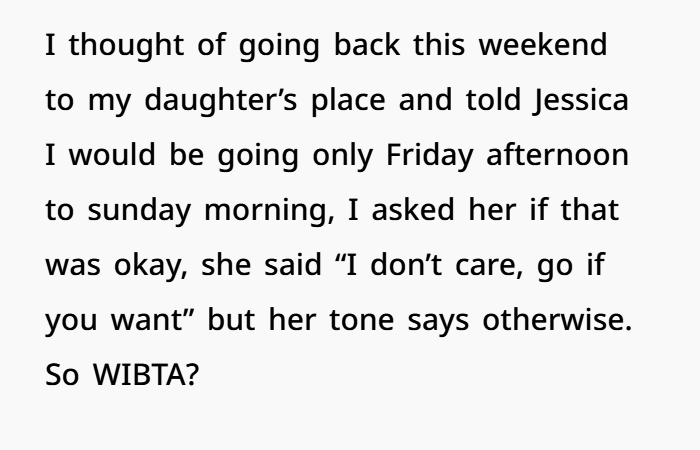
The solution does not have to be for OP to stop helping her daughter.
Giving up one relationship to fix another may create more frustration.
Instead, OP can focus on making Jessica and the twins feel valued.
Some helpful steps include:
- Spending planned time with Jessica and the children
- Asking about their needs and feelings
- Celebrating important family moments
- Creating clear financial boundaries
- Showing Jessica that she matters as a person, not only as her son’s wife
Sometimes people need reassurance that they are important.
The Weekend Visit Is Not the Real Problem
The weekend visit itself is not the biggest issue.
The deeper question is whether Jessica feels that OP wants to build a relationship with her.
If OP apologizes but nothing changes afterward, Jessica may feel that her concerns were not truly heard.
But OP can continue supporting her daughter while also making an effort to strengthen her relationship with Jessica and the twins.
Both relationships can exist.
Building Stronger Family Relationships
This situation is not really about choosing between a daughter and a daughter-in-law.
It is about understanding that adult family relationships need care and attention.
Good intentions matter, but repeated actions also affect how people feel.
OP does not need to stop loving or helping one family member to make another feel valued.
A healthy family is built through communication, respect, understanding, and making each person feel seen.
Comments From The Community